

Bachata Nights at Dublin Temple Bar — What to Expect
Learn about the best venues, dance etiquette, and how to find your rhythm in Dublin's vibrant bachata scene.
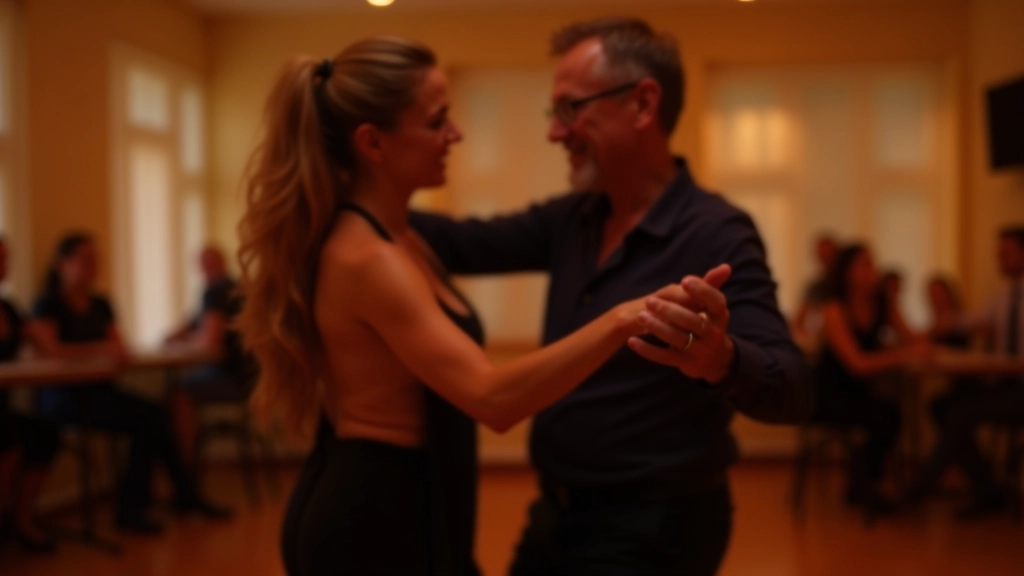

You can't dance well if you're hunched over or stiff as a board. That's the reality. Good posture isn't just about looking elegant — it's about how you move, how your partner feels you, and whether your body can actually do what you want it to do.
The connection between partners is what separates a real dance from just moving to music. It's the subtle signals, the way you hold each other, and how you communicate without talking. We're going to break down what actually works.
Proper posture creates the physical framework for everything else. Without it, you're fighting your own body instead of dancing.
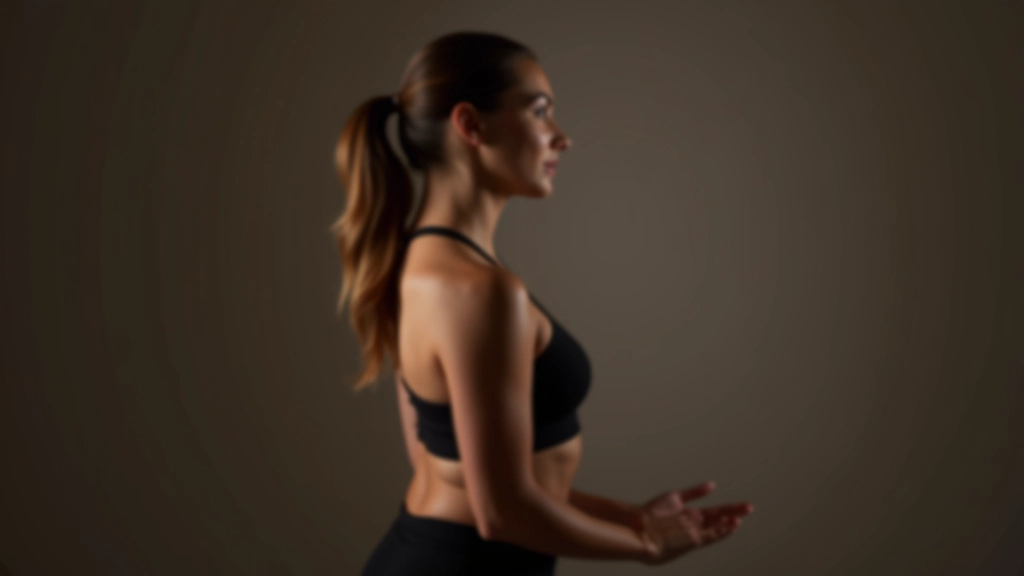
Let's start with how you stand. Your feet should be hip-width apart, weight distributed evenly across both feet. Don't lean back on your heels — you'll look like you're bracing yourself. Don't tip forward either. Think of it like you're standing on a solid foundation, ready to move in any direction.
Your core matters here. Not like a gym six-pack — we're talking about your entire midsection from your ribs down to your hips. When your core is engaged, your spine has natural alignment. Your shoulders stay back and relaxed, not hunched up toward your ears. This happens naturally when you're breathing properly, which you probably aren't if you're thinking too hard about it.
Your head should sit directly above your shoulders. Look straight ahead, not down at your feet (we know you want to). This keeps your neck neutral and helps your balance. Most beginners crane their necks forward or tilt their heads — it throws off your whole equilibrium and makes you look uncomfortable, which you probably are.
Connection isn't mysterious or magical. It's physical contact combined with awareness. When you're dancing with someone, you're literally feeling what they're doing through your hands, arms, and the space between you. If you're tense, they'll feel it. If you're relaxed and present, they'll feel that too.
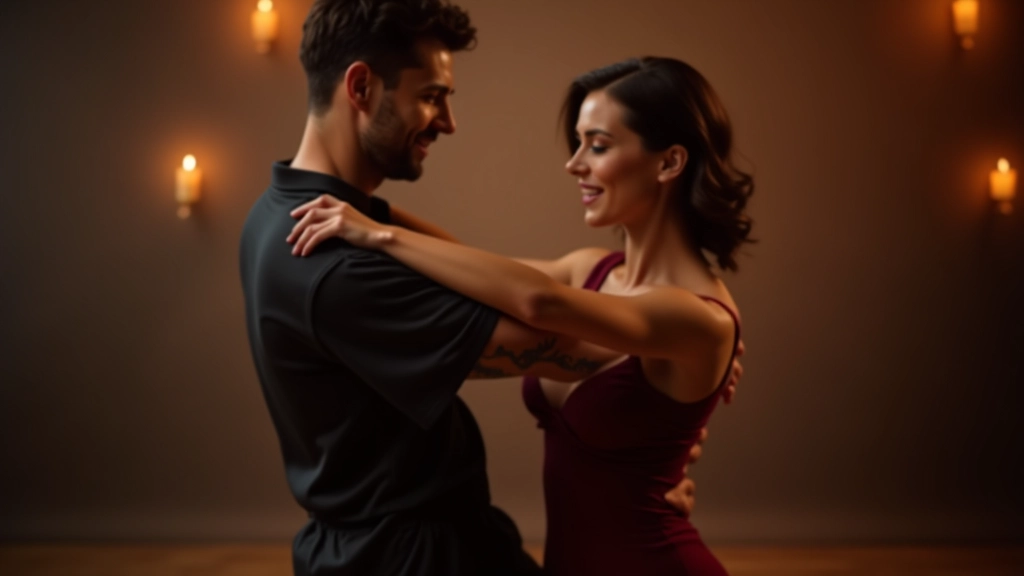
Your frame — that's the structure created by your arms and upper body — should be firm but not rigid. Think of it like a frame around a painting. It holds everything in place, but it's not fighting or pushing. Your lead should be clear and gentle, not jerky. Your follow should be responsive and attentive, not limp.
Hand placement matters. In bachata, you're typically close, so your hands are on your partner's lower back or hips. In salsa, you might be at arm's distance, so your connection happens through the hands and arms. Either way, maintain steady, comfortable pressure. You're not gripping like you're hanging from a cliff. You're just... connected.
Your posture is just the starting point. How you move from that position determines whether you're dancing or just swaying. Most of your movement should come from your hips and legs, not from swinging your upper body around.
Weight transfer is everything. When you step, your weight actually moves to that leg. Don't just shuffle your feet — commit to each step. You'll feel the difference immediately, and so will your partner. A good lead feels grounded and intentional. A good follow responds to where the weight is going, not just where the arms are pointing.
Your chest and shoulders stay relatively still compared to your hips. This creates contrast, which makes the dancing look sharper and more controlled. Beginners tend to move everything at once, which looks chaotic. Advanced dancers isolate different parts of their body, which looks clean and intentional.
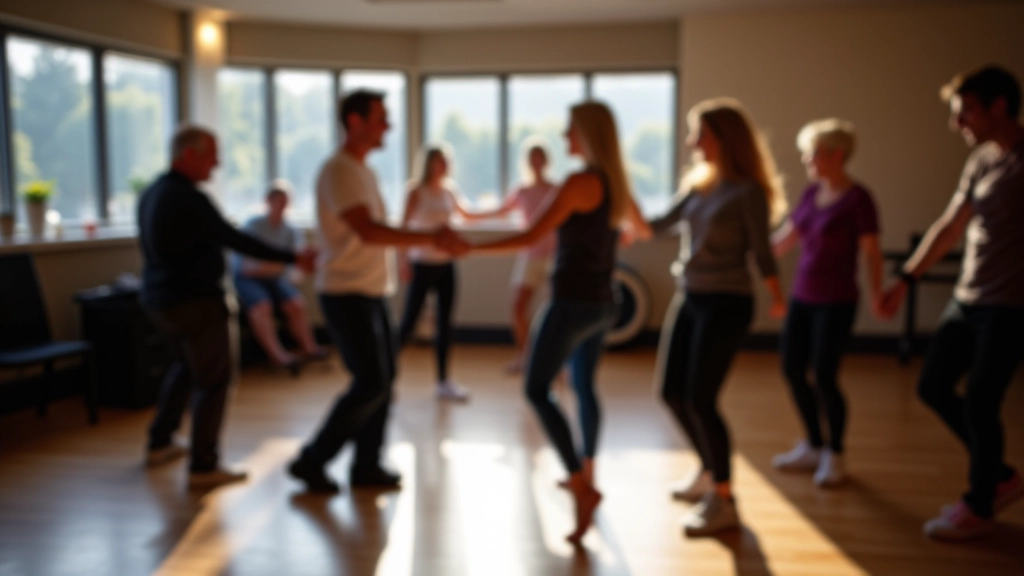
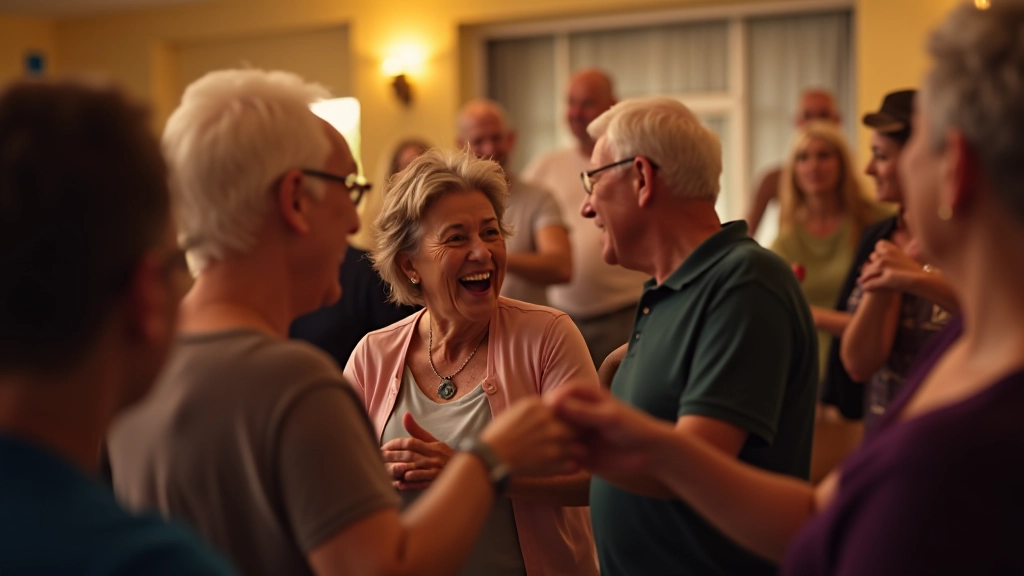
The techniques described here are general guidance for understanding dance posture and connection. Everyone's body is different, and what works for one person might need adjustment for another. If you have any physical concerns or injuries, it's always wise to chat with a healthcare professional before starting a new physical activity. A qualified dance instructor can give you personalized feedback based on your unique body and experience level. These fundamentals are a starting point — real learning happens when you're on the dance floor with an experienced teacher watching and correcting you.
You don't need to be perfect. You need to be aware. Stand up straighter. Feel your core. Notice how your partner feels when you're connected. These things take time, but they're not complicated.
The dancers who improve fastest aren't necessarily the most talented — they're the ones who pay attention to how their body feels and what their partner is telling them. Good posture and real connection are skills you build through practice, not gifts you're born with. Start noticing these things at your next dance night, and you'll be surprised how quickly things change.